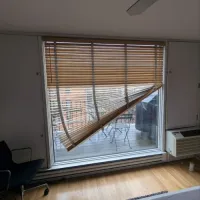
If your window insulation film isn’t stopping a draft, you may need to look beyond the glass. You installed a film kit, followed the instructions, and waited for your living room to feel warmer. But cold air is still getting in. Before you buy another kit or apply more sealant, find out where the draft is coming from.
Window insulation film, caulk, and weatherstripping solve different problems. Film helps reduce heat transfer through the glass. Caulk seals stationary gaps around the window frame. Weatherstripping seals moving parts, such as the sash that slides up and down or opens sideways.
Here’s how to check your windows, compare the three options, and decide when a repair is needed.
Why Window Insulation Film Didn’t Stop the Draft
You put the film on the window, but you can still feel cold air coming in. Window film is designed to cover the glass, not repair gaps around the sash or frame. If cold air is slipping between the sash and frame, or around the frame where it meets the wall, the film won’t stop it.
There’s also a difference between a cold window and a draft. On a cold Chicago day, the glass can feel icy even when the window is sealed properly. But if you feel air moving near the edges, you may have a gap that needs attention.
The fix depends on the source. Match the fix to the problem: caulk for gaps around the frame, weatherstripping for worn seals on a moving sash, and window adjustment if the sash doesn’t close tightly.
The Three Main Sources of Window Drafts
Before choosing a fix, find out where the cold air is coming from. It usually comes through gaps around the frame or sash, or you may be feeling the chill from cold glass rather than an actual draft.
Heat Loss Through the Glass
On a cold Chicago day, glass can feel much colder than the wall around it. You may feel chilly sitting nearby even when no air is leaking in.
Air Leaks Around the Window Frame
Gaps between the window frame and the wall, or cracks in fixed joints, can let outdoor air in. Damaged or missing caulk may be the cause. If the leak is hidden behind the trim, sealing a visible crack may not stop it.
Air Leaks Around the Sash
The sash is the part of the window that opens and closes. If the weatherstripping is worn, the sash is out of alignment, or the lock doesn’t pull it snugly against the frame, cold air can get through.
Weatherstripping can seal the gap, but if the sash doesn’t close evenly, the window may need adjustment first.
Window Insulation Film: What It Does and Doesn’t Do
Window insulation film is a thin plastic sheet that covers the glass. Shrink-film kits attach to the window frame and are tightened with a hair dryer. When installed correctly, the film creates an insulating air space between the plastic and the glass.
When Film Is a Good Idea
Film can help when cold glass makes a room uncomfortable and you want a temporary improvement without changing the window. The frame must be in suitable condition for the film to attach securely, so follow the kit’s installation instructions.
Why Film Won’t Seal Air Leaks
Film doesn’t seal the gap between the sash and frame or close cracks around the window frame. If you still feel cold air near the edges, check for worn weatherstripping, a loose sash, or gaps around the frame. These problems need to be repaired separately.
Caulk: For Fixed Gaps and Cracks
Caulk seals stationary gaps around windows, including cracks between the frame and the wall. Unlike weatherstripping, it isn’t designed for joints that move when the window opens or closes.
Where to Use Caulk
Caulk can seal suitable gaps such as:
- Cracks between the window frame and the wall.
- Gaps at fixed joints in the frame.
- Openings around stationary trim, if the materials are suitable for sealing.
A visible crack doesn’t always reveal where the air is entering. If the gap extends behind the trim, you may need to remove part of it to reach the leak. ENERGY STAR explains this approach in its guide to sealing behind window and door trim.
Types of Caulk and How to Choose
The right sealant depends on the surface, location, and exposure.
- Acrylic latex caulk. Often suitable for interior joints that will be painted.
- Silicone sealant. Useful where flexibility and moisture resistance are important. Many silicone products cannot be painted, so check the label.
- Other flexible sealants. May be needed for specific materials, outdoor exposure, or wider joints.
Check the product label to make sure the sealant is suitable for the surface and gap you’re repairing.
Application Tips for a Lasting Seal
Remove failed caulk where necessary and clean the surface before applying new sealant. Follow the manufacturer’s instructions for application and curing.
For wider gaps, a compatible backer rod may be needed to support the sealant and create the correct joint shape. Don’t fill a deep gap with caulk alone unless the product instructions allow it.
If caulk keeps cracking, the joint may be moving, the surface may be poorly prepared, or the sealant may not suit the conditions. Applying a new layer over failing caulk won’t fix the underlying problem.
Weatherstripping: For Moving Parts
Weatherstripping seals gaps between moving window parts while allowing the sash to open and close. In Chicago, worn seals can let cold air into the home during winter. The right type depends on the window’s design and condition.
Foam Tape, V-Strip, and Compression Seals
Different window designs need different types of weatherstrip:
- Foam tape: Compressible foam for small gaps. Too-thick tape can prevent the window from closing properly.
- V-strip: A folded strip that presses against a surface when the window closes.
- Compression seals: Gaskets that compress when the window closes.
These options aren’t interchangeable. Choose a seal that fits the window and allows it to close properly.
How to Check Weatherstripping
Look for flattened, brittle, missing, or damaged seals. Check whether the sash closes evenly and the locks engage properly.
To test the seal, close the window on a piece of paper and gently pull it out. If it slides out easily, the seal may be weak at that spot. Repeat at several points around the sash.
This test is only a clue. Check the sash alignment and hardware before replacing the seal.
Why Weatherstripping Fails
Repeated friction and compression can flatten, tear, or loosen weatherstripping. Incorrect installation can also shorten its life.
If the window sticks or won’t latch, check the sash alignment and hardware before replacing the seal.
Caulk vs. Weatherstripping vs. Window Film: Which Works Best?
The most effective method depends on the source of the problem. Use the table to match the method to the issue.
Quick Comparison Table:
| Method | Best suited for | Main limitation |
|---|---|---|
| Caulk | Suitable stationary cracks and joints | Can’t be used on joints that must move |
| Weatherstripping | Sealing contact points around a moving sash | Won’t fix a misaligned sash or gaps in the frame |
| Window insulation film | Reducing heat transfer through the glass | Doesn’t repair gaps around the sash or frame |
The key distinction is whether you’re dealing with a fixed gap, a moving joint, or a cold glass surface. Identify the problem first, then choose the method.
When to Combine Methods
Sometimes a window needs more than one treatment. For example, an older window may need film over the glass, new weatherstripping around the sash, and caulk at fixed gaps between the frame and wall.
Each method should address a specific problem. Don’t use film to cover air leaks or apply caulk around a moving sash.
How to Diagnose a Window Draft
If you’re wondering how to stop drafts from old windows, start by checking where the cold air is getting in. Check for visible damage and gaps, but take care around brittle trim and damaged paint.
Visual Inspection Checklist
Check these areas:
- Glass. Does it feel cold even when there’s no noticeable air movement?
- Sash and frame. Are there gaps, damaged seals, or uneven contact points?
- Locks and handles. Does the window close and latch securely?
- Frame and trim. Is the caulk cracked, missing, or separating?
- Surrounding wall. Are there gaps where the trim meets the wall?
- Condensation. Where and when does moisture appear?
Condensation can form when warm, humid indoor air meets a cold surface. It doesn’t automatically indicate an air leak. Persistent moisture deserves further investigation.
Simple Ways to Detect Air Movement
On a cool day, move a thin strip of tissue near the closed window’s edges. Consistent movement may indicate a draft. The paper test can help check whether the sash presses firmly against its seal.
Avoid open flames. A tissue test is a safer first step.
For a more thorough assessment, professionals can use pressure testing and thermal imaging. An infrared camera shows temperature differences, but these don’t prove an air leak on their own.
When to Call a Pro
Consider professional help if:
- The window won’t close or latch properly.
- Drafts persist after replacing weatherstripping.
- You feel air around the frame but can’t locate the gap.
- Caulk keeps cracking or separating.
- The trim is loose or difficult to remove safely.
- You suspect a hidden leak or can’t distinguish a draft from heat loss through the glass.
A crooked sash, damaged hardware, or shifted frame may need repair or adjustment before new seals can work. Air can also enter behind the trim or through the wall.
In homes built before 1978, take care before disturbing painted surfaces. Older paint may contain lead, and repair work can create hazardous dust. See the EPA’s Lead Renovation, Repair and Painting Program for applicable requirements.
Still Feeling Drafts After Installing Window Film?
Find the source before trying another fix. Capahome helps Chicago-area homeowners repair and insulate existing windows. Learn more about our window insulation service.
Call Capahome LLC at (224) 434-0915 or request an estimate online.
Frequently Asked Questions
I installed a window insulation film kit and I still feel a draft. What did I do wrong?
You may not have done anything wrong. Film helps reduce heat transfer through the glass but doesn't seal gaps around the sash or frame. Check the window's edges, seals, and surrounding trim to locate the leak.
How do I know if I need caulk or weatherstripping?
Caulk seals suitable stationary gaps, such as joints between the window frame and wall. Weatherstripping seals moving parts, such as the sash. Never use caulk where it would prevent the window from opening or closing.
Is it worth re-caulking my old windows every season?
Not automatically. Re-caulking every season usually means the underlying cause — a moving joint, a poorly prepared surface, or the wrong sealant (see above) — hasn't been fixed. Find that first.
Can I seal my windows from the inside only?
Sometimes. It depends on where the leak is located. Gaps behind the frame or leaks through the wall may require a different repair. If you can't locate the source, an inspection can help identify it.
What is the most effective method for an old Chicago window that won't shut tight?
Check the sash alignment, locks, hardware, and weatherstripping first. If the sash doesn't meet the frame evenly, it may need adjustment or hardware repair before new weatherstripping can seal it properly.
Related Articles

Founder & Lead Technician at Capahome LLC with 5+ years of hands-on experience in window, door, blind, and screen repair across Chicago and suburbs.
Meet the Technical Team →Schedule a Free Estimate
Get a free, no-obligation estimate from a Capahome window and door repair specialist.