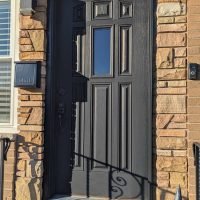
You step inside on a cold Chicago day, close the front door, and still feel a draft near the entry. Do I need a storm door to solve this problem, or would I just spend money on another door?
This is one of the most common questions homeowners ask, and the answer isn’t always yes. A storm door can protect your entry from wind, rain, and snow, but it isn’t the right solution for every home.
In this guide, I’ll explain when a storm door is worth it, when repairing your existing door makes more sense, and what to consider before making your decision.
What a Storm Door Does for Your Home
Storm doors come in a few different designs. A full-view model has a large glass panel, while others have smaller glass sections or a screen. On some models, you can swap the glass for a screen or slide the panels to let in fresh air.
In Chicago, the extra door takes some of the weather exposure that would otherwise fall on your main entry door. The glass or screen also gives you another option for ventilation when the weather is mild. The amount of protection depends on the door’s design, fit, and installation.
Is a Storm Door Worth It for Chicago’s Climate?
Chicago weather gives homeowners good reasons to consider an additional door, but exposure matters as much as the climate itself.
According to the National Weather Service’s Chicago (O’Hare) 1991–2020 climate normals, January’s average temperature is 25.2°F, with an average high of 31.6°F and an average low of 18.8°F. Normal annual snowfall is 38.4 inches.
These are 30-year climate averages. Actual conditions vary from year to year and across the Chicago area.
For an entry exposed to winter wind, blowing snow, and driving rain, a storm door may offer useful protection. But the benefits depend on your home’s layout and the condition of your main entry.
Winter Protection and Energy Efficiency
A storm door creates another layer between your home and the outdoors. The air space between the two doors can provide additional thermal resistance, depending on how the assembly is designed and sealed.
This can help when your main entry is exposed to strong winds or has limited thermal performance. Still, a storm door isn’t a guaranteed way to lower heating bills.
Wind can increase pressure differences around a building and push air through existing gaps. That’s why an exposed entrance may feel draftier than a sheltered one, even when both doors are in similar condition.
One more detail: winter wind chill describes how cold the weather feels to people. It doesn’t directly measure how much heat your door is losing.
Summer Ventilation and Insect Protection
A screen panel lets you open the main door for fresh air while keeping insects outside. Whether this is practical depends on the weather, outdoor air quality, and your home’s layout.
Protection for Your Main Entry Door
Rain, snow, sunlight, and everyday exposure can wear down an entry door’s finish. A storm door can reduce some of that exposure, especially at an entrance without much overhead protection.
This matters most for a painted wood door or an entry that frequently gets wet during storms.
When Might a Storm Door Help?
Certain conditions make an additional door worth considering. However, these signs are reasons to investigate, not automatic proof that you need one.
Drafts Around Your Door
Cold air near the entry can make a hallway uncomfortable. A storm door may provide another barrier, but it shouldn’t hide a poorly sealed or misaligned main entry.
If the weatherstripping and threshold are in good condition but drafts persist, check the frame for gaps before adding another door.
Faded or Worn Paint on Your Door
Fading or peeling paint can indicate moisture, sunlight exposure, or a finish problem.
Check whether the damage comes from moisture, sunlight, or a failing finish before deciding how to address it.
Condensation on Interior Door Glass
Condensation can have several causes, so its location matters.
Moisture on the room-side glass often forms when warm, humid indoor air meets a cold surface. Moisture between the panes of insulated glass may indicate a failed glazing seal.
Adding a storm door won’t automatically solve either problem. In some installations, heat and moisture can build up between the two doors. This can be a concern when the main door has a dark finish or receives direct sunlight.
Before choosing a model, make sure it’s suitable for your main door and the conditions at your entrance.
High Energy Bills During Peak Seasons
High energy bills alone don’t mean your entry door is the problem. Air leakage, attic insulation, windows, heating or cooling equipment, and ductwork can all affect energy use.
An energy assessment can help identify whether air leakage, insulation, windows, or HVAC issues deserve attention first.
Potential Downsides of Storm Doors
An additional door can be useful, but it also brings hardware, maintenance, and installation considerations.
Aesthetic and Architectural Compatibility
A storm door changes the appearance of your entrance. Its frame, finish, and glass layout should complement the home’s style and existing trim.
Some entrances have decorative molding, narrow mounting surfaces, or limited clearance. A retrofit installation may require careful evaluation of the existing opening.
Maintenance and Operational Issues
Storm doors need occasional maintenance as hinges, latches, closers, and weatherstripping wear out. Loose hardware or poor alignment can affect how the door opens and closes. A door that binds or won’t latch may need hinge adjustment, tighter fasteners, or alignment correction.
Some doors also use crank mechanisms or other ventilation controls. These add convenience but may require maintenance.
When a Storm Door Is Not the Right Fix
Repair a rotten frame and address water intrusion before installing another door. A storm door won’t fix structural damage or stop an existing leak.
Key Features to Consider
If you’ve decided an extra door could help, the next step is choosing features that suit your entry and how you use it.
The goal isn’t to find the door with the longest feature list. It’s to choose a design that fits your home’s exposure, available space, and maintenance needs.
Self-Storing vs. Interchangeable Glass Panels
Self-storing storm doors allow you to switch between glass and screen without removing a full-size panel. Interchangeable-panel models require you to remove and store the panel you’re not using.
Consider how often you’ll use the screen, how easy the panels are to handle, and whether you have storage space for interchangeable panels. Compare how the panels operate and how much effort they take to switch.
Glass Type and Low-E Coatings
Glass affects visibility, comfort, and thermal performance.
Insulated glass generally reduces heat transfer compared with a single pane of similar size, although the actual performance depends on the glazing construction.
A low-E coating reflects some radiant heat. Depending on the coating and its placement, it can help reduce unwanted heat transfer through the glass.
Overall performance depends on the glazing, frame, seals, and installation. If energy efficiency is your main goal, compare product specifications rather than relying on general claims.
Quality of Hinges and Closers
Hinges, latches, and closers affect how the door operates every day.
A properly selected and adjusted closer should control the door’s movement without slamming or preventing it from latching. The hardware must also be suitable for the door’s size and weight.
Check that the closer and mounting hardware are approved for the specific door model and installation conditions.
Secure mounting and proper adjustment help the door operate as intended.
Storm Door Installation vs. Repair: What Chicago Homeowners Need to Know
Once you know what you want from an additional door, the next step is deciding whether to repair your existing storm door, replace it, or install one for the first time.
Repair or Replace?
Repair your existing storm door if the frame and door panel are in good condition but a component needs attention. Common problems include a faulty closer, worn hinges, a loose latch, damaged weatherstripping, or a torn screen.
If the door slams shut, check the closer before replacing it. If it binds or won’t latch, inspect the hardware and alignment to identify the cause.
Replacement may make more sense if the frame is badly damaged, the door panel is severely warped, or several components need attention.
The right choice depends on the condition of the door and the availability of compatible replacement parts.
Installation Time and Cost
A standard storm door installation usually takes a few hours when the opening is in good condition. Frame repairs, alignment issues, or other adjustments can add time. The total cost depends on the door, labor, hardware, and condition of the opening.
Installation Details for Chicago’s Weather
A proper installation requires secure mounting, correct alignment, suitable clearances, and attention to water drainage.
An entrance exposed to strong winds and driving rain may need different considerations from one protected by a deep porch.
The installer should assess the existing trim, frame condition, available mounting surfaces, and how water drains around the opening.
Before installation, confirm the swing path, handle clearance, and required mounting dimensions for the selected door. The storm door should operate freely without interfering with the main entry door.
Keep the manufacturer’s drainage provisions clear and follow the specified installation instructions.
For exposed entrances, the selected door and its mounting system should be suitable for the conditions at that location.
Permit requirements vary by municipality and project scope. Check local requirements before work begins.
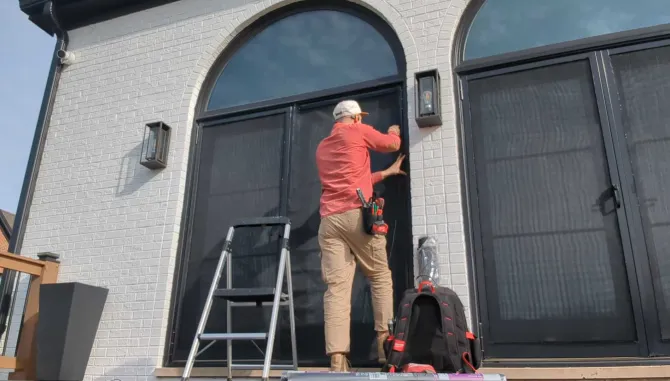
Why Professional Installation Matters
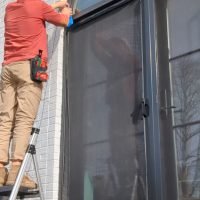
Storm doors can include large glass panels and heavy or awkward components. Handling them incorrectly or securing the door improperly can cause broken glass, serious injuries, or property damage.
Installation problems can also leave the door binding, failing to latch, or allowing water into the opening.
A professional assessment is particularly useful when working with older entries, damaged frames, limited mounting surfaces, or openings that may not match standard dimensions.
Storm Door vs. No Storm Door: Which Makes Sense for Your Home?
The right choice depends on your entrance and what you want to improve.
- Wind-exposed entrance: A storm door may help protect against blowing rain and snow. Nearby buildings and porch coverage matter as much as door orientation.
- Sheltered porch: If your main door seals well, an additional door may offer little extra protection.
- Older, drafty entry: Fix air leaks first. Consider a storm door if the entrance also needs weather protection.
- Newer, well-sealed door: You may not need one for energy efficiency, but a screen can provide ventilation and insect protection.
- Moisture or finish problems: Find and address the cause before installing another door.
When deciding whether to install a storm door, ask yourself:
- What problem am I trying to solve?
- Can I fix it by repairing or sealing the existing door?
- Will another door justify its cost and maintenance?
The best choice depends on your entry’s condition and exposure, not climate alone.
Not Sure Whether to Repair or Install a Storm Door?
Capahome repairs and installs storm doors in Chicago. We assess your entry and explain practical repair and installation options. We don’t sell storm door products. Learn more about our professional storm door installation service.
Call Capahome LLC at (224) 434-0915 or request an estimate online.
Frequently Asked Questions
Can I use a storm door year-round in Chicago?
Many storm doors are designed for year-round use. If your main door has a dark finish or receives direct sunlight, confirm that the selected model is suitable for those conditions. Choose glass and screen options that suit your seasonal needs.
Can a storm door damage my main entry door?
Yes, if the storm door is incompatible with the main entry or installed incorrectly. Confirm that the two doors are compatible and that the installation meets the door maker's requirements.
Related Articles

Founder & Lead Technician at Capahome LLC with 5+ years of hands-on experience in window, door, blind, and screen repair across Chicago and suburbs.
Meet the Technical Team →Schedule a Free Estimate
Get a free, no-obligation estimate from a Capahome window and door repair specialist.