By Vlad Kuleshov, Founder & Lead Technician at Capahome LLC • Updated October 18, 2026
Chicago weather can affect how your doors work. During humid summer weather, wood can absorb moisture and swell slightly, reducing the clearance between the door and frame. This can cause rubbing, dragging, or trouble with the latch.
If you’re wondering why my door sticks in the summer, humidity could be one reason. The good news is that seasonal sticking doesn’t automatically mean you need a new one. Finding the cause is the first step toward the right fix.
The Frustration of a Stuck Door in Chicago
A door that worked perfectly in spring can become difficult to close during a humid Chicago summer. You may need to push harder, notice rubbing against the frame, or find that the latch no longer lines up properly.
The problem may come and go with the weather, making it especially frustrating. When humidity rises, a small amount of wood swelling can reduce the clearance gap around the frame.
You may notice:
- rubbing against the frame;
- the bottom dragging on the floor or carpet;
- increased resistance when closing;
- the latch no longer lining up properly;
- more sticking when humidity rises.
The door hasn’t necessarily developed a serious defect. Seasonal changes in moisture can simply make an existing clearance or alignment issue more noticeable.
Why Humidity Makes Your Door Stick
Humidity is one of the most common reasons a door starts sticking during Chicago summers.
Wood naturally responds to changes in moisture. When humidity rises, it can absorb moisture and expand slightly. When the air becomes drier, it releases moisture and contracts again. This normal process is known as seasonal expansion and contraction.
Because a door needs only a small amount of clearance to operate properly, even minor seasonal movement can affect how it opens and closes.
Wood’s Reaction to Moisture
Wood naturally absorbs moisture when humidity rises, which can cause it to expand slightly. If there isn’t enough clearance gap, it may start rubbing against the frame, threshold, or weatherstripping.
This is a common reason a door sticks when humidity changes.
How Temperature Shifts Affect Fit
Chicago’s weather creates noticeable seasonal changes. Summer humidity can cause wood to expand, while drier winter air often allows it to contract slightly.
As a result, it may stick during humid months but operate normally when conditions become drier.
That’s why sanding isn’t always the best first solution. Removing material during a humid period can leave unnecessary gaps when the wood contracts again.
Before making permanent changes, it’s important to identify where the rubbing occurs and whether the issue is related to seasonal movement, hinges, the frame, threshold, or latch alignment.
Why It’s Not Just Summer – Seasonal Changes Matter
Summer may make the problem more noticeable, but seasonal changes affect the fit throughout the year. Humid summer air can cause wood to expand, while dry winter air allows it to contract.
If the problem appears only during humid weather, seasonal movement may be the cause. If it continues year-round, the hinges, frame, threshold, or latch alignment may need attention.
Sticking Door vs. Other Door Problems
Not every sticking problem is caused by humidity. Weather can simply make an existing issue with the hinges, frame, or alignment more noticeable.
If your door sticks when humidity changes, check where it rubs before trying to sand it. The location can help identify the source.
When It’s the Hinges
Loose or worn hinges can shift the slab out of alignment, causing rubbing, sagging, or latch problems.
A simple door adjustment may restore the correct position. Lubrication can help with a stiff or noisy hinge, but it won’t fix an alignment problem.
When It’s the Frame or Threshold
If it rubs in one area, has an uneven gap, or catches on the threshold, the frame or threshold may be contributing to the problem.
For exterior doors, check the weatherstripping as well. If it has shifted or become compressed, it can make closing more difficult.
The key is to identify the cause before sanding or removing material.
What You Shouldn’t Do (and Why)
When a door starts sticking, don’t immediately reach for sandpaper. Humidity may be making an alignment or hardware problem more noticeable.
Don’t Sand Away Too Much Wood
Sanding can create unnecessary gaps when the wood contracts in drier weather. First, find out where the door is rubbing and why. If the issue is with the hinges or alignment, sanding won’t fix it.
Don’t Force the Door Closed
Avoid repeatedly pushing or slamming a sticking door. This can put extra stress on the hinges, latch, and frame.
Diagnose Before Fixing
A sticking door doesn’t automatically need replacement. The better approach is simple: diagnose first, adjust if needed, and remove material only when necessary.
The Long-Term Fix: Professional Door Adjustment
If the problem keeps returning, the goal is to restore proper alignment rather than simply remove material. A well-adjusted entry system should continue to open, close, and latch smoothly even as humidity and temperature change.
A professional door adjustment looks at the entire setup rather than focusing on one rubbing spot. The hinges, frame, latch, strike plate, stop, and threshold all affect how the unit operates.
Depending on the cause, the technician may realign the slab, correct the hinge position, adjust the stop, or reposition the hardware. These small changes can restore smooth operation without permanently altering the original material.
Capahome provides professional door adjustment for homeowners throughout Chicago and nearby suburbs, including Niles, Skokie, Evanston, Park Ridge, and Des Plaines.
Why Adjustment Works Better Than Guesswork
Sanding can solve a rubbing spot, but it may not address what caused the problem in the first place. For example, if loose hinges have allowed the slab to shift, removing material from its edge won’t correct the alignment.
Adjustment takes a different approach. It focuses on restoring the correct position and maintaining enough clearance gap for normal seasonal movement.
The same applies to latch problems. If the mechanism no longer meets the strike plate correctly, the issue may be alignment rather than excess material. Correcting the hardware can often restore proper closing without cutting or sanding the slab.
A Better Approach to Seasonal Movement
Wood naturally responds to changes in humidity. The goal isn’t to prevent this movement, but to make sure the entire system can accommodate it without becoming difficult to operate.
This is especially useful in Chicago, where conditions can change significantly between humid summers and dry heating seasons. A proper adjustment can help the opening remain functional as the material expands and contracts naturally.
If the problem keeps returning, professional door adjustment can help identify whether the underlying issue is alignment, hinges, hardware, or another part of the system.
When to Call a Pro
A little seasonal resistance doesn’t always require professional help. If the door still opens, closes, and latches normally, you can monitor the situation and see whether the problem changes with the weather.
Professional help makes more sense when the issue is persistent, severe, or accompanied by other signs.
Consider calling a professional if:
- your door is difficult to open or requires significant force;
- the door drags on the floor or threshold;
- the door no longer latches properly;
- the latch and strike plate no longer line up;
- the door rubs against the frame in several places;
- you notice an uneven gap around the door frame;
- the door continues to stick when humidity returns to normal;
- it becomes progressively harder to open or close.
Drafts or visible gaps around the door are another reason to have the opening checked. Simply removing material may make the seal worse.
A professional can determine whether the cause is seasonal wood movement, hinge problems, door frame misalignment, or hardware — and make the appropriate adjustment.
The takeaway: If your door only acts up when Chicago’s weather changes, don’t immediately reach for the sandpaper. Find out what’s actually causing the problem first.
Why Choose Capahome for Door Adjustment
Capahome focuses on finding the cause of a sticking or misaligned door before recommending a repair.
- prompt service available – Depending on scheduling and the scope of the work.
- Fully insured – $1M per occurrence / $2M aggregate.
- Vlad — 5+ years of hands-on experience – Vlad brings practical repair experience to Capahome.
- 1-Year Transferable Workmanship Warranty – Every repair is backed for a full year, and the coverage stays with your home if you sell.
Send a few photos of your door and the area where it sticks or appears misaligned. Capahome provides pricing based on photos, with no diagnostic or trip fee.
Our goal is to restore smooth door operation without unnecessary replacement when the existing door is still serviceable.
Get Upfront Pricing From Photos
Send a few photos of your door and the area where it sticks, rubs, or no longer lines up properly. Capahome provides pricing based on photos, with no diagnostic or trip fee. We price every job from photos, so please include a few pictures with your request
prompt service is available depending on scheduling and the scope of the work.
Professional Door Adjustment in Chicago
If your door sticks when humidity changes, Capahome can help identify the cause and correct the alignment. Professional adjustment may include the hinges, strike plate, stop, frame, or other hardware. We serve Chicago and the surrounding suburbs — including Niles, Skokie, Evanston, Park Ridge, and Des Plaines.
The goal is simple: restore smooth operation while maintaining enough clearance for normal seasonal movement.
If the problem keeps returning, consider professional door adjustment instead of repeatedly sanding the surface or forcing it closed.
Send photos of your windows to get upfront pricing and find out what may be causing the drafts.
Enjoy Fresh Chicago Air Without the Pests
Serving Chicago and 20 northern suburbs with fast, professional window screen and sliding patio screen repairs. Call Capahome LLC at (224) 434-0915 or request an estimate online.
Frequently Asked Questions
Why does my door stick more in the summer than in the winter?
Higher summer humidity can cause wood to absorb moisture and expand. In Chicago's drier winter air, it can contract again, so the door may fit more easily.
Can I fix a sticking door by sanding it down?
Sanding can help if the door is actually rubbing because of excess material, but it doesn't fix alignment or hardware problems. Removing too much can also create unnecessary gaps when the wood contracts.
Will a door adjustment solve a seasonal sticking problem?
Often, yes. Adjusting hinges, the strike plate, or the door stop can improve alignment and provide enough clearance for normal seasonal movement.
When should I call a professional?
Call a pro if the door is difficult to open, drags on the floor, won't latch properly, or keeps sticking despite changes in weather. Persistent sticking can point to an alignment, hinge, frame, or hardware problem.
How do I fix a door swollen from humidity?
First, check where it's rubbing. If the problem disappears as humidity drops, seasonal expansion may be involved. If it persists, the door may need adjustment.
Related Articles
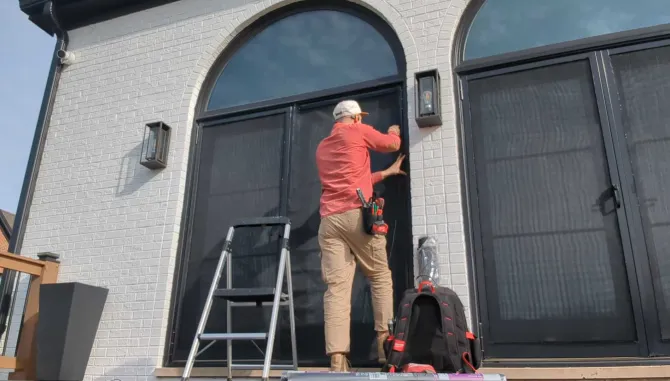

Founder & Lead Technician at Capahome LLC with 5+ years of hands-on experience in window, door, blind, and screen repair across Chicago and suburbs.
Meet the Technical Team →Schedule a Free Estimate
Get a free, no-obligation estimate from a Capahome window and door repair specialist.