By Vlad Kuleshov, Founder & Lead Technician at Capahome LLC • Updated October 23, 2026
That cold air near your front door makes your home less comfortable, especially during a Chicago winter. It can also mean heated air is escaping through gaps around the frame.
Wondering, “Why is my front door drafty?” The problem may stem from worn weatherstripping, a faulty door seal, loose hardware, or gaps caused by a misaligned frame.
Here’s what to check before deciding which repair you need.
Why a Drafty Front Door Is a Problem
A closed entry should fit snugly against its seals. If you notice cold air coming from your front door, gaps around the edges may be letting heat escape and making your home less comfortable.
Chicago’s strong winds and cold winters can make drafts more noticeable. In older homes, frames may shift, and weatherstripping can wear out over time.
Sealing these gaps can help keep cold air out and reduce heat loss. The U.S. Department of Energy recommends sealing air leaks throughout the home to improve energy efficiency.
Common Cause #1: Worn or Compressed Weatherstripping
Weatherstripping seals the gap between the door and its frame when closed. Over time, it can flatten, crack, tear, or come loose.
If you feel cold air along the sides or top, check the weatherstripping for visible damage. A worn seal can let drafts through even when the latch works correctly.
The right repair depends on the material, gap size, and exposure to Chicago’s weather. Replacing worn weatherstripping can restore the seal without replacing the entire door.
Common Cause #2: Worn or Damaged Door Sweep
If cold air is coming from the front door at floor level, check the sweep. This strip along the bottom helps seal the gap between the door and the threshold.
A worn, torn, or compressed seal can create a gap through which cold air and dust can enter. You might also notice light coming through underneath or frost near the threshold during very cold weather.
Replacing a damaged sweep may help, but check the gap first. If the door is installed too high or the threshold is adjusted incorrectly, simply installing a new door seal may not be enough to solve the problem.
Common Cause #3: Draft Around the Door Frame or Jamb
Sometimes the door itself is in good condition, but air leaks around the frame. The jamb holds it in place and provides the surface against which the seals close.
Look for visible gaps between the frame and the surrounding wall or trim. Cracked caulking, loose trim, and deteriorated seals may allow outside air to enter.
In older Chicago homes, settling and aging building materials can contribute to these gaps. The repair may involve renewing the caulking around stationary joints or sealing openings around the frame. If the frame has shifted or the gap extends behind the trim, the underlying problem needs attention first.
Common Cause #4: Misaligned Strike Plate or Latch
The strike plate is the metal piece on the frame that receives the latch. If it is misaligned, the latch may not pull the door firmly against its weatherstripping.
You may notice that the door needs extra force to close, the latch catches inconsistently, or the door moves slightly after it shuts. These symptoms may indicate a problem with the hardware adjustment.
A loose or misaligned latch may prevent the seal from fitting properly. A professional can check the position and alignment of the latch to determine whether a simple adjustment is enough.
Common Cause #5: Loose Hinges or Stripped Screw Holes
Hinges support the door and keep it aligned with the frame. Loose hinge screws, worn hinges, or stripped screw holes can allow the door to sag and create uneven gaps.
You may notice that the door rubs against the frame, sticks when opening, or leaves a wider gap at one corner. Even a small change in alignment can affect the weatherstripping.
The method for fixing the problem depends on the condition of the hinges, screws, and the surrounding frame. In some cases, simply tightening the fasteners may be enough.
Stripped threads in the screw holes, damaged hinges, or play in the door jamb may require more serious measures than simply tightening the fasteners.
Common Cause #6: Shrunken or Warped Door Material
Wood can change shape as temperature and humidity fluctuate. Older wood doors may shrink, swell, or warp as temperature and humidity change.
Metal and fiberglass doors can also develop sealing problems, although the underlying causes may differ. For example, a unit that has shifted in its frame may not close evenly even if the panel itself is in good condition.
If the surface looks twisted, the gaps around the edges are uneven, or the panel no longer sits flush against the weatherstripping, a closer inspection can help identify the cause. Depending on the condition, adjusting the hinges or frame may restore the seal without full replacement.
Common Cause #7: Misadjusted or Damaged Threshold
The threshold is the strip at the bottom of the doorway that the door closes against. If it is loose, damaged, poorly adjusted, or no longer meets the door sweep, cold air can enter underneath.
Check whether the bottom of the door makes even contact with the threshold. Gaps, visible wear, and signs of moisture near the floor may indicate a sealing problem.
Sometimes the threshold needs adjustment. In other cases, the door sweep or surrounding components are responsible. Identifying the source helps avoid repeated repairs that leave the same gap open.
How to Diagnose Which Cause Applies to Your Door
To find out what’s causing the draft at the front door, check the weatherstripping, the threshold, the door frame, and the hardware.
The Tissue Test
On a windy day, hold a lightweight tissue near the closed door’s edges and bottom. If it’s moving, there may be an air leak in that area. Check the sides, top, and threshold separately.
Avoid using a candle or other open flame to test for drafts. If the airflow is difficult to locate, a professional can inspect the door and its seals more closely.
Visual Inspection
Look for cracked or flattened weatherstripping, a damaged door sweep, visible gaps, and loose trim. Check whether the space around the door is even or wider at one corner.
Also look for signs of moisture or frost near the threshold. These clues can help distinguish a worn seal from a problem with the door’s alignment or frame.
Checking Hardware
Open and close the door slowly. Notice whether it sticks, rubs against the frame, or requires unusual force to latch.
Check whether the hinges appear loose and whether the door sits evenly in the opening. If the deadbolt is difficult to turn or does not line up with its opening, the door may need alignment or hardware adjustment. Don’t force the lock, as this can damage the hardware.
Quick Fixes vs. Long-Term Repairs: What Actually Works?
A temporary draft stopper may reduce the cold air you feel under a door, but it won’t repair a damaged seal or correct a misaligned frame.
Long-term repairs depend on the source of the leak. Worn weatherstripping may need replacement, a damaged door sweep may need to be replaced or repositioned, and loose hardware may need tightening. Gaps around stationary parts of the frame may require appropriate caulking.
The choice of weatherstripping material also matters. It should suit the gap, the door’s movement, and Chicago’s changing weather. Using the wrong material or fitting it incorrectly can leave gaps or make the door difficult to close.
A professional inspection can help identify the right repair before you spend time on fixes that may not last.
When to Call a Professional
A draft can come from more than one part of the entryway. If replacing a seal does not solve the problem, the door may also need alignment, hardware adjustment, or repairs around the frame or threshold.
Consider a professional inspection if you notice:
- Cold air continues to enter after a temporary fix.
- Visible or widening gaps appear around the door or frame.
- The door sticks, sags, or no longer closes and locks properly.
- The weatherstripping or door sweep is visibly damaged, or frost and moisture keep appearing near the threshold.
Capahome helps homeowners in Chicago and nearby suburbs identify the cause of door drafts and determine whether sealing, hardware adjustments, or other repairs may help. Vlad has more than five years of hands-on home repair experience. You can send photos of the affected areas to receive pricing without a diagnostic or trip fee. prompt service is available, depending on scheduling and the scope of the work.
Stop Cold Air at Your Front Door
If your front door lets in cold air, don’t assume you need a new one. The problem may be a worn seal, a gap at the threshold, or hardware that needs adjustment.
Capahome provides door sealing and repair services for Chicago homes. Visit our professional door weatherstripping replacement page to learn more, or contact Capahome to discuss the draft and arrange an inspection.
Need Help With Your Front Door?
Serving Chicago and 20 northern suburbs with fast, professional door sealing and repair services. Call Capahome LLC at (224) 434-0915 or request an estimate online.
Frequently Asked Questions
Why is cold air coming under my front door even when it's closed?
The most common causes are a worn door sweep or a gap between the door and threshold. The sweep may have flattened or torn, or the door may sit too high. An inspection can determine whether the sweep, threshold, or door alignment needs attention.
How can I tell if my front door has a draft?
On a windy day, hold a piece of tissue near the closed door's edges and bottom. Movement may indicate an air leak. You can also look for visible gaps, damaged weatherstripping, or uneven spacing around the frame. Avoid using a lit candle to test for drafts.
Can I fix a drafty door myself?
A temporary draft stopper may help with a small gap, but lasting repairs depend on the cause. Weatherstripping replacement, door alignment, and frame repairs may require suitable materials and tools. A professional can identify the source and help prevent the draft from returning.
Will a drafty front door really affect my heating bill in Chicago?
It can contribute to heat loss and make your heating system work harder, particularly during cold, windy weather. The effect on your utility bill depends on the size of the gaps and the home's insulation and other air leaks. Sealing the door can improve comfort, although savings vary.
What is the best way to permanently stop a drafty front door?
The repair depends on the cause. It may involve replacing worn weatherstripping, repairing the door sweep, adjusting the strike plate or hinges, or correcting a problem with the frame or threshold. A professional can assess the existing door and recommend a suitable repair before considering replacement.
Related Articles
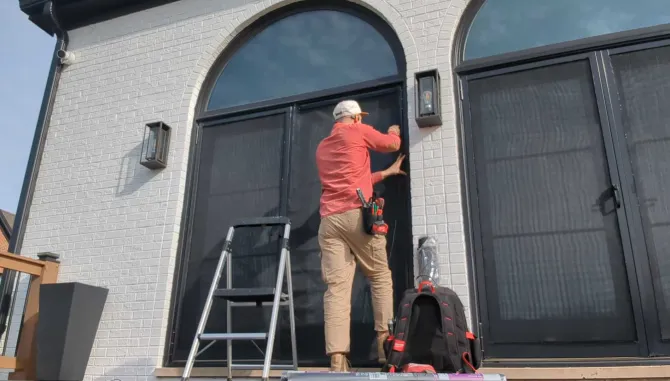

Founder & Lead Technician at Capahome LLC with 5+ years of hands-on experience in window, door, blind, and screen repair across Chicago and suburbs.
Meet the Technical Team →Schedule a Free Estimate
Get a free, no-obligation estimate from a Capahome window and door repair specialist.