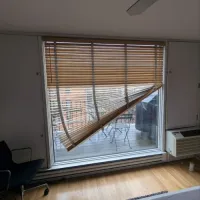
Not sure whether inside mount or outside mount blinds are right for your windows? The choice affects how the blinds fit, how much light gets around the edges, and how the window looks. Your window's depth, trim, and hardware all matter. Knowing how to choose the right blind mount starts with checking these features before you decide on a style.
Understanding the Two Mounting Options
Blinds can be mounted inside the window recess or outside it, on the trim or surrounding wall. Each option has different requirements for depth, clearance, and mounting support.
What Are Inside Mount Blinds?
Inside mount blinds fit within the window recess, leaving the trim visible for a clean, built-in look.
A shallow recess can prevent the headrail from fitting properly or leave it protruding into the room. Window handles can also obstruct the blind if there isn't enough clearance.
Before selecting this mount, check that there is sufficient depth and clearance for the brackets and the operating mechanism.
What Are Outside Mount Blinds?
Outside mount blinds attach to the wall, window trim, or another suitable surface outside the window recess. Instead of fitting within the opening, they extend beyond it.
This mounting style can help cover uneven window edges, reduce light gaps around the sides, and work around shallow recesses or obstructing hardware.
Key Differences: Fit, Look, and Function
The best mounting style depends on what your window allows and what you want from your blinds. Start with the available depth, then consider appearance, light control, and privacy.
Mounting Depth: The First Thing to Check
Measure the window recess before choosing a mounting style. The available depth determines whether the brackets and headrail will fit. Also check the position of handles and other hardware, which can obstruct the blind or its operation.
There is no single depth requirement for all blinds. Check the manufacturer's specifications for the selected style and brackets. Some blinds need only enough room for the mounting hardware, while others require additional depth to sit fully inside the recess.
For example, wood blinds, faux wood blinds, and roller shades can have different mounting requirements. The headrail design and operating mechanism also affect the clearance needed.
If the recess is too shallow, outside mounting provides an alternative. The blind attaches to the trim or wall around the opening rather than fitting inside it.
Appearance and Aesthetics
Inside mount blinds leave the window trim visible for a neat, recessed look. If you have attractive wood trim, this lets you keep it as part of the room's design.
Outside mount blinds extend beyond the frame, covering more of the surrounding area and making a narrow window appear larger. They can also hide uneven edges or mismatched trim in older homes.
Before choosing, look at what you want to show and what you'd rather cover. The mounting style changes how the entire window looks, not just where the blinds sit.
Light Control and Privacy
Inside mount blinds leave gaps between the blind and the window opening. Light can pass through these gaps even when the blind is fully closed.
Outside mount blinds can overlap the opening to reduce light gaps along the sides. This can make a difference in a bedroom where early morning sunlight wakes you up or in a room facing a nearby house.
If you need a dark bedroom, consider blackout options and how far the blinds extend beyond the frame. Outside mounting can reduce stray light, but it does not guarantee complete darkness.
Blinds and Window Drafts
Blinds affect how much sunlight enters a room, but they do not repair window drafts.
If you feel cold air near a window in winter, don't assume the blinds are the problem. Worn weatherstripping, gaps around the frame, or other issues with the window assembly can let air in. Outside mount blinds cover more of the opening, but they do not seal those gaps.
Choose the mounting style based on fit, appearance, and light control. If drafts are the problem, the window itself needs to be checked.
When to Choose Inside Mount
Inside mounting works best when the window recess can accommodate the brackets and headrail without interfering with the window hardware. It also suits homeowners who want to keep the trim visible.
Ideal Scenarios
Inside mount blinds are a good fit when the window recess has enough depth for the brackets and headrail, and the frame provides a secure mounting surface. They also work well when you want to keep decorative trim visible without covering the surrounding wall. Check that the window hardware can operate freely with the blind in place.
Advantages and Limitations
Advantages:
- Inside mount blinds create a clean, recessed look and leave the surrounding window trim visible. This works especially well when the trim is part of the room’s design.
- Because the blinds sit within the window opening, they don't extend as far into the room as outside mount blinds.
Limitations:
- Uneven window frames can affect the fit and leave gaps along the edges.
- Shallow recesses or obstructing hardware can make inside mounting unsuitable.
Inside mount blinds are a good choice when you want a clean look and visible window trim.
When to Choose Outside Mount
Outside mount blinds are a practical option when the window recess is too shallow for the selected brackets or headrail. They can also be a good choice when inside mounting isn't practical.
Mounting outside the recess gives more flexibility in bracket placement and can help cover irregular window edges.
The mounting surface still needs to provide secure support. Loose or cracked trim may not hold the brackets properly, so the installer must determine whether the trim or the surrounding wall is suitable.
Outside mounting also affects the window's appearance. A wider blind can make a small window look larger, but it may cover decorative trim and extend farther into the room.
Common Problems Chicago Homeowners Face
Window openings aren't always perfectly square, and older trim or replacement windows can complicate blind installation. These details can affect both bracket placement and how smoothly the blinds operate.
Shallow Recesses and Old Window Frames
Older Chicago homes can have original wood trim, replacement windows, and openings that are no longer perfectly square. These conditions can affect bracket placement and the choice between inside and outside mounting.
Chicago bungalows commonly feature double-hung, fixed, and casement windows, sometimes grouped together across a wall. The Chicago Bungalow Association describes these common window styles.
Window style and hardware can affect the space available for blind brackets. A deep-looking sill does not necessarily mean there is enough room above the window for the headrail, and decorative trim can project into the space needed for mounting hardware. Measure each opening and check the selected blind's mounting requirements before choosing inside or outside mount.
In homes built before 1978, older paint may contain lead. Drilling into painted surfaces can create hazardous dust if lead-based paint is present. The U.S. Environmental Protection Agency explains lead-safe renovation requirements, including when contractors must be certified.
If the paint is damaged or lead may be present, check the applicable safety requirements before drilling.
Blinds Not Operating Smoothly After a DIY Install
If blinds stick, tilt unevenly, or refuse to raise smoothly after installation, check the following:
- Bracket alignment: Brackets that are not level can affect how the blind moves.
- Mounting surface: An uneven surface can prevent the headrail from sitting correctly.
- Clearance: The blind may rub against the window frame or handles.
- Operating mechanism: If the brackets are secure and properly aligned but the blind still binds, the mechanism itself may be the problem.
Avoid forcing a blind that sticks or binds. This can put extra strain on the mechanism or damage the surrounding finish.
Quick Guide: How to Measure for Each Mount
Before measuring, decide where the blind will sit. Inside mount measurements must account for the window recess, while outside mount measurements depend on the area you want the blind to cover.
For an inside mount:
- Measure the recess depth where the brackets will sit.
- Measure the width at the top, middle, and bottom of the opening. Use the narrowest measurement for the width.
- Measure the height at several points. Use the tallest measurement for the height.
- Check for handles, cranks, locks, and other obstructions.
- Compare your measurements with the manufacturer's requirements for minimum mounting depth and headrail clearance.
For an outside mount:
- Identify a solid mounting surface above or around the window opening.
- Decide how far the blind should extend beyond the opening on each side. Outside mount overlap varies by brand and by how much light control you want — retailers' guides range from about 1 1⁄2 to 3 inches past the frame on each side. Check the measuring instructions for the specific blind you're ordering.
- Measure the total width and height needed to cover the intended area.
- Check whether the trim should remain visible and whether the mounting surface can support the brackets.
Follow the manufacturer's measuring instructions for the specific blind. Some products require deductions or other adjustments, so don't assume that the measured opening is the final blind size.
When to Call a Pro
Consider professional help before ordering blinds if:
- The recess is shallow or uneven. The brackets and headrail need enough clearance for a proper fit.
- The trim is loose or damaged. The mounting surface must support the brackets securely.
- Window hardware obstructs the blind or its operation.
- You're unsure where to attach the brackets. The right fixing method depends on the mounting surface and hardware.
- The paint may contain lead. In homes built before 1978, check EPA requirements before disturbing painted surfaces.
A professional can check the mounting surface, available clearance, and bracket placement before drilling.
Professional Blinds & Shades Installation in Chicago
Shallow recesses, uneven window frames, and difficult mounting surfaces can complicate blind installation. The right mounting position helps the blinds fit properly and operate without obstruction.
Need Help Choosing the Right Blind Mount?
Shallow recesses, uneven frames, or window hardware can make choosing a mount difficult. Capahome helps homeowners in Chicago, Niles, Skokie, Evanston, Park Ridge, and Des Plaines with blinds & shades installation.
Call Capahome LLC at (224) 434-0915 or request an estimate online.
Frequently Asked Questions
How deep should my window recess be for inside mount blinds?
The required depth depends on the blind style and mounting hardware. Check the manufacturer's specifications for minimum mounting depth and the clearance needed for the headrail and operating mechanism.
Can outside mount blinds cover an odd-shaped window?
Sometimes. The result depends on the window's shape, the available mounting surface, and how much of the opening you want to cover. Arched or angled windows may require a custom solution.
Do outside mount blinds block more light?
They can reduce light gaps when they extend beyond the window opening. However, the amount of light blocked depends on the blind's design, size, and placement. Outside mounting alone does not guarantee a blackout effect.
Can I install blinds directly on window trim?
Yes, if the trim and the structure behind it can support the mounting brackets. Screws leave holes in the trim, and loose or damaged wood may not provide a secure fixing point. Check the mounting requirements before drilling.
Related Articles
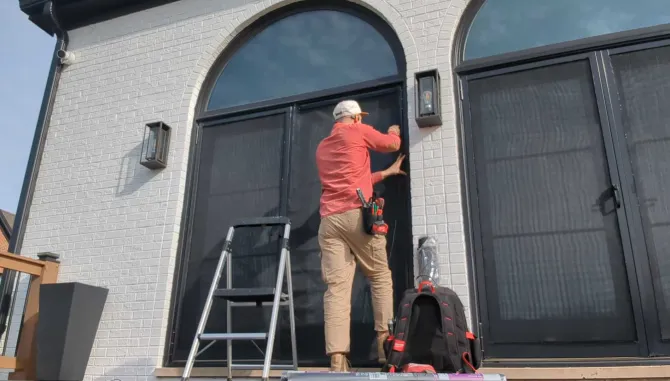

Founder & Lead Technician at Capahome LLC with 5+ years of hands-on experience in window, door, blind, and screen repair across Chicago and suburbs.
Meet the Technical Team →Schedule a Free Estimate
Get a free, no-obligation estimate from a Capahome window and door repair specialist.