By Vlad Kuleshov, Founder & Lead Technician at Capahome LLC • Updated October 18, 2026
Feel that chill by the window? That chill may be coming from a draft. Loose parts, worn-out seals, or tiny cracks can let cold air slip through, making a cozy room feel much colder. Chicago’s winter wind can make these problems easier to notice.
The good news is that drafty windows can often be improved without replacing them. Let’s look at what may be causing the problem.
The Cold Truth: Why Drafty Windows Are a Chicago Winter Problem
Chicago winters can make small window problems feel much bigger. When temperatures drop and the wind picks up, gaps around the frame or sash let more cold air into the room.
How Windy City Winters Make It Worse
In January, Chicago’s average temperature is around 25°F (-4°C), with average lows near 19°F (-7°C). At these temperatures, even a small gap can make a room feel colder, especially near the window sill or floor.
A window that feels fine in mild weather may become noticeably drafty in winter. Worn seals, gaps, and poor alignment are much easier to notice when you’re trying to keep the cold out.
Your Home’s Age and Window Style Matter
A lot of older homes in Chicago still have double-hung windows, single-pane glass, or older frames with storm windows. These windows can work well for many years. Weatherstripping and hardware can wear over time, while caulked joints around the frame can crack or pull away.
In many cases, the problem may be fixed by sealing gaps or adjusting the window. Fixing worn weatherstripping, small gaps, or loose hardware may make the room much more comfortable without replacing a window that is still in good shape.
Top 4 Causes of Drafty Windows in Chicago Homes
Drafts can come from the glass, the seals, the frame, or the window hardware. Here are 4 common causes to check first.
1. Worn Weatherstripping or Missing Sealant
Weatherstripping seals the space between moving window parts. Over time, it can become compressed, brittle, or loose. Cracked or missing caulking around the frame can also let cold air in.
If the seal is worn, you may notice cold drafts around the edges rather than through the glass.
2. Gaps Between Sash and Frame
A loose or poorly aligned sash may not close tightly against the frame. This leaves a small gap where cold air can get in, especially when the wind picks up.
Run your hand around the sash and frame. If you feel air coming through, you may have found the problem area.
3. Window Balance and Locking Problems
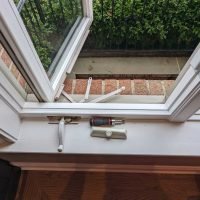
On double-hung windows, the balance helps the sash stay in the right position. If the window balance is worn, the sash may not close tightly against the frame. Loose or poorly adjusted window latches can cause the same problem.
In this case, the draft may look like a sealing problem, but the real issue is hardware or window alignment.
4. Single-Pane Glass or Failed Seals in Double-Pane Units
Single-pane windows provide less insulation than double-pane insulated glass units. Older Chicago homes may also have storm windows, which add another layer between the glass and outdoor air.
A failed seal in a double-pane unit is different. Condensation between the panes is a common sign, and the glass may no longer insulate as well as it should.
Is It a Draft or Just Cold Glass? How to Tell the Difference
Not every cold window means cold air is getting into the room. Glass can feel cold in winter even when the window is sealed properly. The key is to check whether you feel moving air around the window.
Simple Draft Detection: The Hand Test
Start with the sash, frame, sill, and corners. On a cold day, slowly move your hand around these areas. If you feel cold air moving in, you may have found the leak.
Why Cold Air Gets In vs. Why the Glass Feels Cold
A cold pane by itself does not mean the window is leaking air. If the glass feels cold but you do not feel air moving around the frame or sash, the glass may simply have limited insulating performance.
A steady cold draft around the sash or frame may point to a different problem, such as a gap, worn weatherstripping, poor window alignment, or a loose latch.
Why DIY Solutions Often Fall Short
If you’re wondering why cold air is coming through your windows, the source may be worn weatherstripping, cracked caulking, a loose sash, or a hardware problem. Temporary fixes can make the draft less noticeable, but they do not always address the underlying cause.
Temporary Fixes vs. Long-Term Insulation
Temporary sealing products may help reduce drafts for a while, but they do not always fix the underlying problem. But these fixes don’t correct the problem if the sash is loose, the weatherstripping is worn, or the caulking has failed.
A better approach is to find the source of the draft first and then fix the area causing the heat loss.
When to Call a Pro for Window Insulation
Professional help makes sense when several windows have drafts, the source is hard to find, or the problem keeps coming back after a temporary fix. It’s also worth getting an assessment when an older window is still in good shape but no longer keeps the room comfortable.
How Professional Window Insulation Works
The goal is simple: find where the draft is coming from, fix the problem, and help the window keep the cold air out. If you’re trying to figure out how to fix drafty windows in an old house, start by checking where the air is getting in. Worn weatherstripping, cracked caulking, loose hardware, or a sash that no longer closes tightly are all common places to look.
Step 1: Check Where the Draft Is Coming From
A professional starts by checking the sash, frame, sill, seals, and edges of the window to find where cold air is getting in. This helps determine whether the problem is a gap, worn weatherstripping, a loose part, or something else.
Step 2: Fix Gaps and Worn Seals
Depending on the problem, the fix may include replacing worn weatherstripping, repairing seals, or adding caulking around gaps in the frame.
Step 3: Adjust the Window and Hardware
A loose latch or a window that does not sit properly may leave gaps around the sash. Adjusting the window balance, latch, or alignment may help it close more tightly without replacing the whole window.
Step 4: Add an Extra Layer When Needed
Some older windows may benefit from additional insulation measures. The right approach depends on the condition of the window and how well it is already sealed. These options add another layer between the room and the cold outside air and may help reduce drafts and heat loss. The right choice depends on the condition of the window and how well it is already sealed.
What to Expect From a Window Insulation Service in Chicago
A professional assessment starts by looking at the windows you already have and finding the source of the drafts. If the windows are still in good shape, sealing and insulation may solve the problem without replacement. We serve homeowners throughout Chicago and the surrounding suburbs — including Skokie, Evanston, Park Ridge, and Des Plaines — and prompt service is available in many cases, depending on scheduling and the scope of the work.
Time, Cost, and Disruption
The amount of work depends on how many windows need attention and what is causing the drafts. Simple sealing or hardware adjustments usually take less work than major repairs. Once the problem is found, a professional can explain what needs to be fixed and how much work it will take.
Energy Savings and Comfort Improvements
Sealing gaps and reducing drafts can make rooms more comfortable and help reduce wasted energy. According to ENERGY STAR, the EPA estimates that homeowners can save an average of 15% on heating and cooling costs, or an average of 11% on total energy costs, by air sealing their homes and adding insulation. Actual savings depend on the home and the improvements made.
When Temporary Fixes Aren’t Enough
It’s worth having a professional take a look if you notice:
- persistent cold drafts around the sash or frame;
- condensation or moisture problems;
- visible gaps or damaged weatherstripping;
- windows that do not close or latch properly;
- one room that stays noticeably colder than the rest of the home.
Capahome focuses on repairing, sealing, and insulating existing windows rather than treating replacement as the first solution. The goal is to find the source of the draft and determine whether the existing window is still serviceable.
Why Choose Capahome for Window Insulation
Capahome provides repair and insulation services for existing windows throughout Chicago and nearby areas.
- prompt service available – depending on scheduling and the scope of the work
- Fully insured – $1M per occurrence / $2M aggregate general liability coverage.
- Vlad – 5+ years of hands-on experience – Vlad brings more than five years of practical repair experience to Capahome.
- 1-Year Transferable Workmanship Warranty – Every repair is backed for a full year, and the coverage stays with your home if you sell.
- Upfront pricing – Know the cost before the work begins, with no hidden fees.
Our goal is to fix the source of the draft and help your existing windows work better.
Get Upfront Pricing From Photos
Send us a few photos of your windows and the draft problem. Capahome can provide upfront pricing based on the photos, so you don’t have to wait for a technician to visit just to get an estimate. There is no diagnostic or trip fee.
Professional Window Insulation in Chicago – Get It Done Right
Cold drafts don’t always mean you need new windows. Professional window insulation can help find and fix gaps, worn seals, and other common sources of cold air. In many cases, a few targeted repairs can help the window perform better and make the room more comfortable in winter. Capahome proudly serves Chicago and nearby communities, including Skokie, Evanston, Park Ridge, and Des Plaines.
prompt service available – depending on scheduling and the scope of the work.
Send photos of your windows to get upfront pricing and find out what may be causing the drafts.
Enjoy Fresh Chicago Air Without the Pests
Serving Chicago and 20 northern suburbs with fast, professional window screen and sliding patio screen repairs. Call Capahome LLC at (224) 434-0915 or request an estimate online.
Frequently Asked Questions
Why are my windows drafty in winter?
Small gaps around the sash or frame, worn weatherstripping, loose hardware, and old seals are common causes. Chicago's winter temperatures and wind can make these problems much easier to notice.
Is it worth insulating old windows instead of replacing them?
Yes, in many cases. Weatherstripping and caulking may help reduce drafts and heat loss. If the window frame is still in good shape, this may be a better option than full replacement.
Why is my bedroom colder than the rest of the house?
A bedroom may feel colder if it has more windows or gets more wind. Poor sealing around the sash or frame can also let cold air in and create cold spots.
How do I know if my window is leaking air?
On a cold day, run your hand around the sash, frame, and sill. If you feel cold air moving, there may be a leak. A professional can help find leaks that are harder to detect.
Can I fix a drafty window myself?
You can try simple fixes like foam tape or plastic film. They may reduce drafts for a while, but they do not always fix the real problem. If several windows are drafty or you cannot find the source, a professional can check what needs to be fixed.
Related Articles

Founder & Lead Technician at Capahome LLC with 5+ years of hands-on experience in window, door, blind, and screen repair across Chicago and suburbs.
Meet the Technical Team →Schedule a Free Estimate
Get a free, no-obligation estimate from a Capahome window and door repair specialist.